
FA — Portfolio000
Favour
Alfred
Crafting interfaces
000 / 100
Favour Alfred.

Work — 2022 / 2026

Selected case studies.

Three projects, each chosen to show how I think about frontend systems — architecture, composition, and the discipline of shipping production interfaces.

Case 01

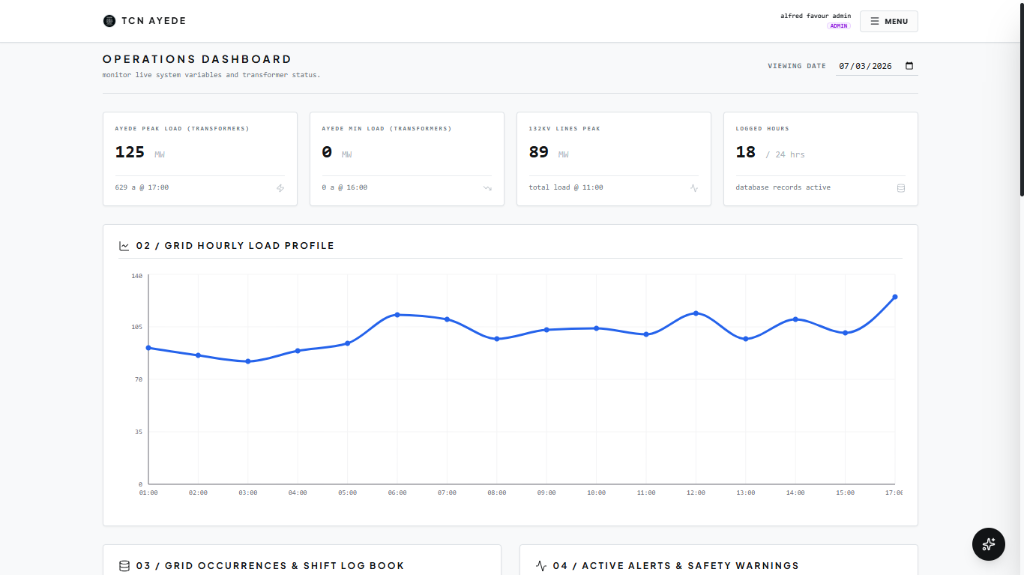
Atlas Dashboard

Atlas Dashboard

Overview

A modular operations dashboard for data-heavy teams, designed around composable panels and a precise interaction model.

Context

Built for product teams that need to surface complex datasets without overwhelming the operator.

Problem

Existing internal tools relied on brittle one-off layouts. Atlas introduces a system where each panel is a primitive that composes into any workspace.

Role

Frontend Engineer

Engineering Breakdown

  • 01UI architecture organized around a panel + slot composition pattern.
  • 02Component structure follows a strict primitives → patterns → workflows pyramid.
  • 03API integration through a typed data layer with optimistic mutations.
  • 04State handling via lightweight stores scoped per workspace.
  • 05Responsiveness via fluid grids that collapse panels gracefully.
  • 06Performance: virtualization, route-level code splitting, image policies.

Tech Stack

ReactNext.jsTypeScriptTailwind CSS

Outcome

A scalable UI system that compresses build time for new tools and produces a consistent operator experience.

Case 02

Nova UI System

Nova UI System

Overview

A composable UI system focused on product velocity. Every component is opinionated about spacing, motion, and contrast.

Context

Created to give small teams the surface-level polish of a mature design org without the overhead.

Problem

Component libraries either ship too rigid or too generic. Nova lands between the two by enforcing tokens but exposing structure.

Role

Frontend Engineer

Engineering Breakdown

  • 01UI architecture built on tokenized primitives with strict variant grammar.
  • 02Component structure documented through visual + code dual-references.
  • 03API integration via headless patterns; rendering stays consumer-owned.
  • 04State handling through controlled / uncontrolled dual contracts.
  • 05Responsiveness through container queries and fluid type scales.
  • 06Performance: tree-shakeable exports, zero runtime CSS-in-JS.

Tech Stack

ReactNext.jsTypeScriptTailwind CSS

Outcome

A production-ready UI foundation that lets a single engineer ship interfaces that feel designed.

Case 03

Pulse Application

Pulse Application

Overview

A realtime application focused on responsive UX under continuously changing data.

Context

Designed for surfaces where latency is the product — feeds, presence, and live coordination.

Problem

Realtime UIs often degrade into visual noise. Pulse treats motion as information, not decoration.

Role

Frontend Engineer

Engineering Breakdown

  • 01UI architecture using stream-aware components with idle / live / stale states.
  • 02Component structure isolates network state from presentational logic.
  • 03API integration over websockets with reconcilable snapshots.
  • 04State handling through a normalized cache with conflict policies.
  • 05Responsiveness through priority lanes: critical UI, then enrichment.
  • 06Performance: input scheduling, suspense boundaries, frame-budgeted updates.

Tech Stack

ReactNext.jsTypeScriptTailwind CSS

Outcome

A realtime layout pattern that stays legible under load and reads as engineered, not reactive.

PaletteGraphite